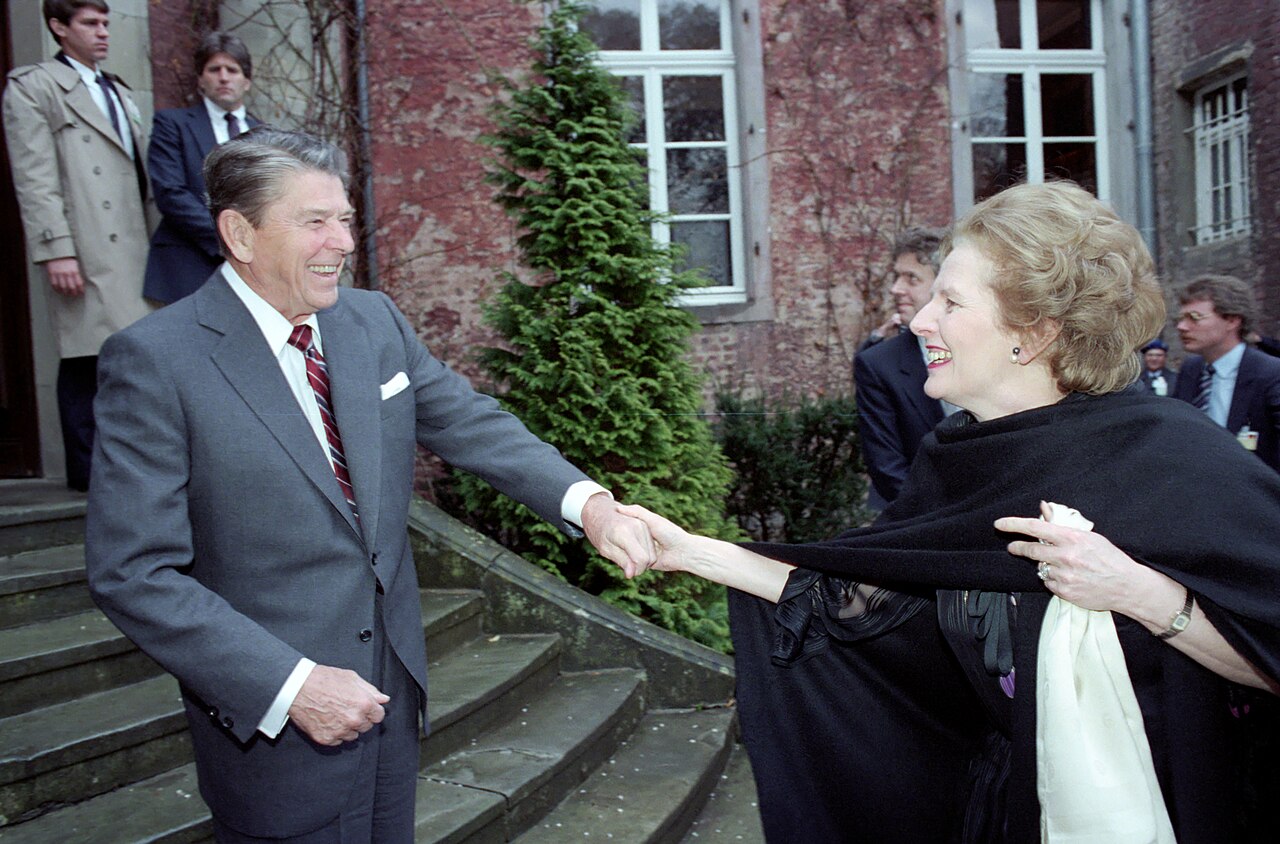
The relationship between the United States and the United Kingdom stands as one of the most enduring, multifaceted, and strategically vital alliances in modern global affairs. Often referred to as the "Special Relationship," it represents a unique bond forged through shared history, common values, and an unparalleled depth of cooperation across virtually every domain. Far from being a static concept, the us uk relationship has continuously evolved, adapting to geopolitical shifts, economic transformations, and even internal political disagreements. This article delves into the historic roots that underpin this extraordinary partnership and explores its critical role in today's complex international landscape.
The Enduring Tapestry: Historic Roots of the US-UK Relationship
The narrative of the us uk relationship is a saga of transformation, beginning with a definitive break and culminating in an unbreakable bond. It all started in 1776, when the Thirteen Colonies declared independence from the Kingdom of Great Britain, leading to a successful revolutionary war. This initial military opposition was followed by the stalemated War of 1812, fought while Britain was preoccupied with Napoleon.
However, despite these early conflicts, relations generally improved throughout the 19th century, with only a brief crisis during the American Civil War in 1861. A significant shift occurred as the United States began its ascent as a global power. By the 1880s, the US economy had surpassed Britain's, and by the 1920s, New York City had eclipsed London as the world's leading financial center. These economic shifts, rather than fostering rivalry, laid the groundwork for a new kind of partnership.
The true crucible for the "Special Relationship" was the 20th century. The two nations fought side-by-side against Germany in both World Wars, forging an alliance based on shared ideals and mutual necessity. Since 1940, this wartime camaraderie has deepened into an enduring military alliance, underpinned by their joint membership in critical international bodies like NATO and the G7. The foundations of this powerful alliance are robust, woven from a common language, shared history, overlapping religious beliefs, similar legal principles, and deep kinship ties spanning centuries. As historian Paul Johnson aptly put it, the United Kingdom–United States relations are "the cornerstone of the modern, liberal democratic world order."
Defining the "Special": Pillars of Modern US-UK Cooperation
In the 21st century, the designation of "special" for the us uk relationship is not merely historical rhetoric; it's a living reality reflected in the policies and practices of both nations. Britain unequivocally affirms its partnership with the United States as its "most important bilateral partnership" in current British foreign policy. Similarly, American foreign policy regards its relationship with Britain as its second most important bilateral bond, trailing only that with Canada.
This importance is evidenced by an unparalleled degree of cooperation across a multitude of sectors:
- Political Alignment: Both nations often find common ground on critical global issues, coordinating diplomatic efforts and advocating for shared democratic values on the world stage.
- Economic Powerhouse: The economic ties are profound. As of early 2015, the United Kingdom was the fifth largest US trading partner in terms of exports and seventh in terms of imports of goods. This extensive trade, commerce, and financial collaboration underscores their intertwined prosperity.
- Technological & Academic Exchange: Leading in innovation, technology, and scientific research, the US and UK frequently collaborate on groundbreaking projects, from aerospace to pharmaceuticals. Academic exchanges and research partnerships enrich both countries' intellectual landscapes.
- Intelligence Sharing: A cornerstone of the military alliance is the extraordinary level of intelligence sharing between the two nations, providing a crucial advantage in combating global threats like terrorism and cyber warfare. This trust is virtually unparalleled among allies.
- Military & Security Operations: Beyond intelligence, the United States Armed Forces and the British Armed Forces frequently engage in joint combat operations, peacekeeping missions, and training exercises, demonstrating interoperability and a shared commitment to global security.
These pillars illustrate that the "Special Relationship" is far more than symbolic; it's a pragmatic, deeply integrated partnership that yields tangible benefits for both countries and contributes significantly to global stability.
Navigating Modern Challenges: Strains and Resilience
Like any long-standing relationship, the us uk relationship is not without its moments of strain. Recent years have seen headlines questioning its integrity, particularly in the face of differing political leadership and foreign policy priorities. The reference context alludes to moments where a US president's actions, such as those concerning Iran, might create friction with a British Prime Minister, prompting questions like "Is the relationship between the pair now irreparably ruined?"
It's crucial to understand that while political leaders may have contrasting viewpoints or approaches on specific issues, the underlying strength of the US-UK bond typically transcends individual personalities or policy disagreements. These moments of friction often highlight distinct national interests or preferred diplomatic strategies rather than a fundamental breakdown of the alliance. For instance, differing stances on complex geopolitical issues like Iran or trade agreements post-Brexit are natural among sovereign nations, even close allies.
What makes the Special Relationship resilient is its institutional depth. The intelligence ties, military interoperability, economic interdependence, and cultural connections are deeply embedded in the fabric of both societies, not merely dependent on a single administration. These established channels of communication and cooperation provide a buffer against temporary political headwinds. The relationship has weathered significant tests throughout history, from Suez to Iraq, demonstrating its capacity for adaptation and recovery. To delve deeper into how these modern challenges are managed, you can read more about US-UK Ties: Can the Special Relationship Withstand Current Strains?
The Future of the US-UK Special Relationship: A Diplomat's Perspective
As the world grapples with evolving geopolitical landscapes, from climate change to rising authoritarianism, the us uk relationship remains an indispensable asset for promoting stability and liberal democratic values. For future diplomats and leaders, understanding and nurturing this relationship is paramount.
Here are key insights and strategies for maintaining and enhancing this vital partnership:
- Embrace Nuance: Recognize that while shared values are a bedrock, differences in national interest or approach are inevitable. Effective diplomacy involves navigating these distinctions with respect and a long-term perspective.
- Leverage Multilateral Platforms: The relationship's strength is amplified through joint action in forums like NATO, the UN Security Council, and the G7. These platforms provide avenues for collective leadership and problem-solving.
- Prioritize Intelligence & Security: Continued robust cooperation in intelligence sharing, cyber security, and defense remains critical in a world facing increasingly sophisticated threats.
- Foster Economic Innovation: Encourage cross-border investment, technological collaboration, and academic exchanges to drive mutual economic growth and maintain a competitive edge. The US and UK are global leaders in innovation; combining forces magnifies their impact.
- Cultivate People-to-People Ties: Beyond official channels, the deep cultural connections, educational exchanges, and tourism between the two nations reinforce the bond at a grassroots level, ensuring future generations appreciate its value.
The "Special Relationship" is a testament to the idea that nations, even after conflict, can forge a bond that becomes a "cornerstone of the modern, liberal democratic world order." Its ability to evolve from 1776 to a global cornerstone is a profound lesson in international relations, a journey further explored in US-UK Special Relationship: From 1776 to Global Cornerstone.
Conclusion
The US-UK Special Relationship is more than just an alliance; it's a testament to how shared history, common values, and persistent cooperation can forge an enduring bond despite occasional disagreements. From the battlefields of revolution to the boardrooms of global finance and the front lines of modern security, this partnership has consistently demonstrated its resilience and adaptability. As the world navigates new challenges, the strategic alignment, deep institutional ties, and mutual commitment to democratic principles that define the us uk relationship will undoubtedly continue to play a pivotal role in shaping a safer, more prosperous, and stable global future.